Shrewsbury, Shropshire

Shrewsbury Gardener: lawns, borders, fruit trees and garden care

Get your free quote

Answer a few questions about the job. It's free and there is no obligation.

About a minute. Free, no obligation.

What type of gardening work do you need?

What type of property is it?

When do you want the work done?

What is your budget?

Anything else the tradesperson should know?

Where is the job and how can we reach you?

A lawn to keep sharp, fruit trees to prune, borders to tend or a garden that has got ahead of you: tell us about the job in a few clicks and get a free, no-obligation quote for your Shrewsbury garden.

  • Free quotes
  • No obligation
  • Fast response
  • Local gardeners

Three levels of garden care

Like the places in a show class: the more often a garden is visited, the closer it gets to first prize.

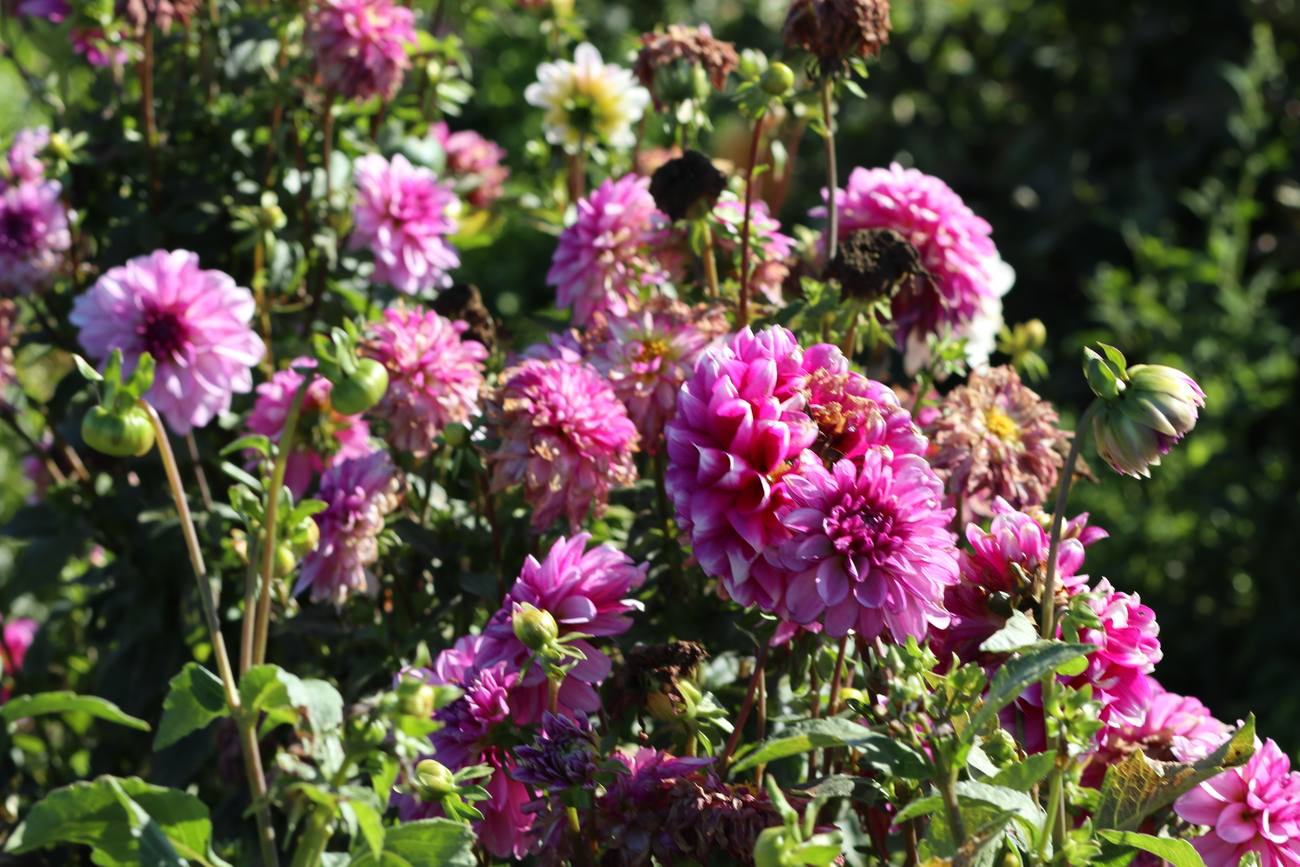
Pink and magenta dahlias in full bloom among green leaves in a garden

A town that has grown for the show since 1875

The Shrewsbury Flower Show, held in Quarry Park each August, is one of the oldest in the country, and half the town has grown something for it. The habits of a show gardener make any garden better.

What a judge looks at

  • UniformityA plate of onions or a vase of dahlias should look like a matched set, the same size and shape.
  • ConditionClean, fresh and free of blemishes. A mark or a split can cost a place.
  • Size for the varietyRight for the variety, not just big. A huge carrot that is hollow loses to a perfect medium one.
  • True to typeThe colour, shape and habit of the named variety.
  • PresentationWashed, trimmed and laid out neatly, to the rules of the schedule.
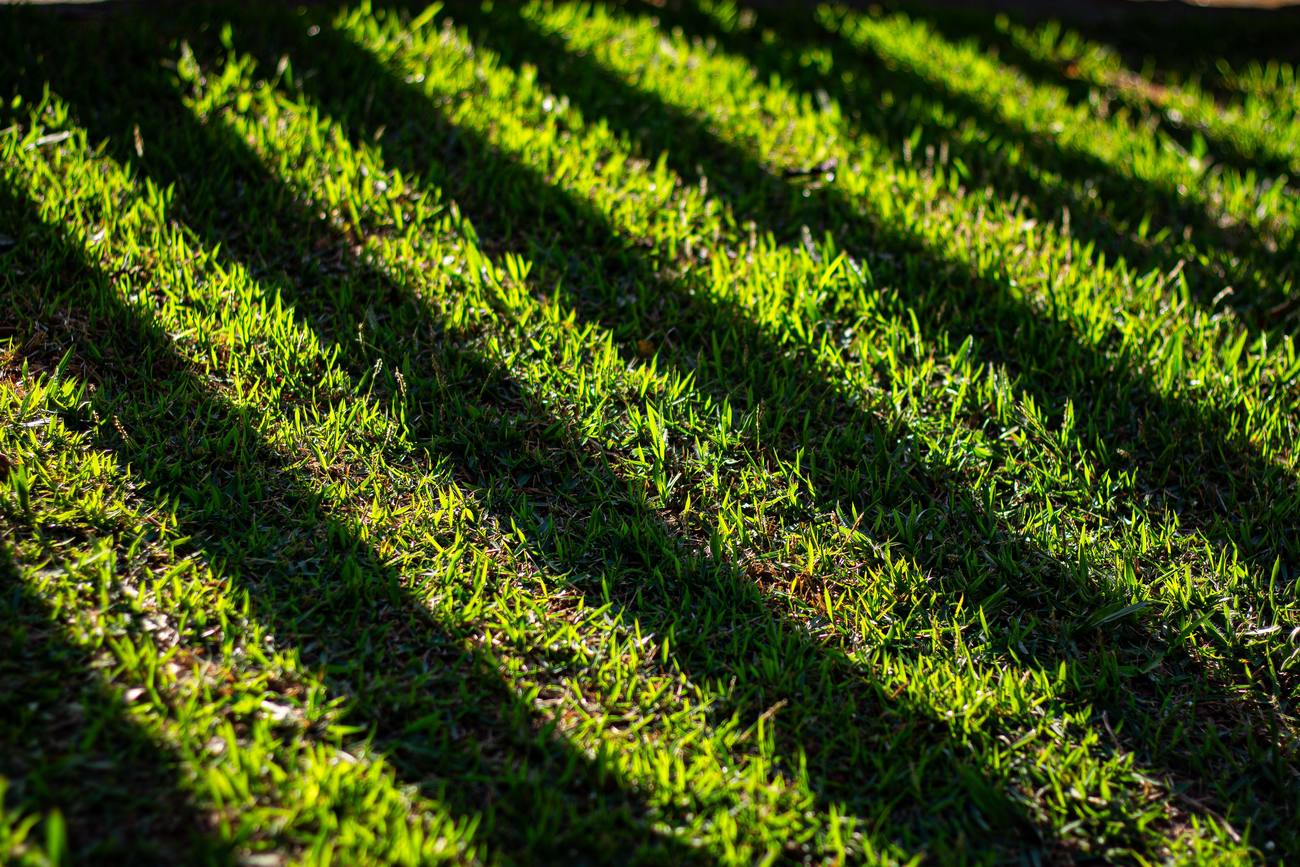
Stripes on the lawn

The stripes do not come from cutting at different heights. They come from the direction the blades are bent, which reflects light differently. Cut at 25 to 30 millimetres with a sharp mower, preferably with a roller behind it.

  • Straight stripesThe classic. Mow up and down, and alternate the direction at each cut.
  • DiagonalLonger lines that make a small lawn look bigger.
  • ChequerboardMow straight stripes, then cross them at a right angle.
Close view of a lawn with long dark and light green stripes and shadows cast across it
Gardener in a white hat pruning branches of a fruit tree in a sunny orchard

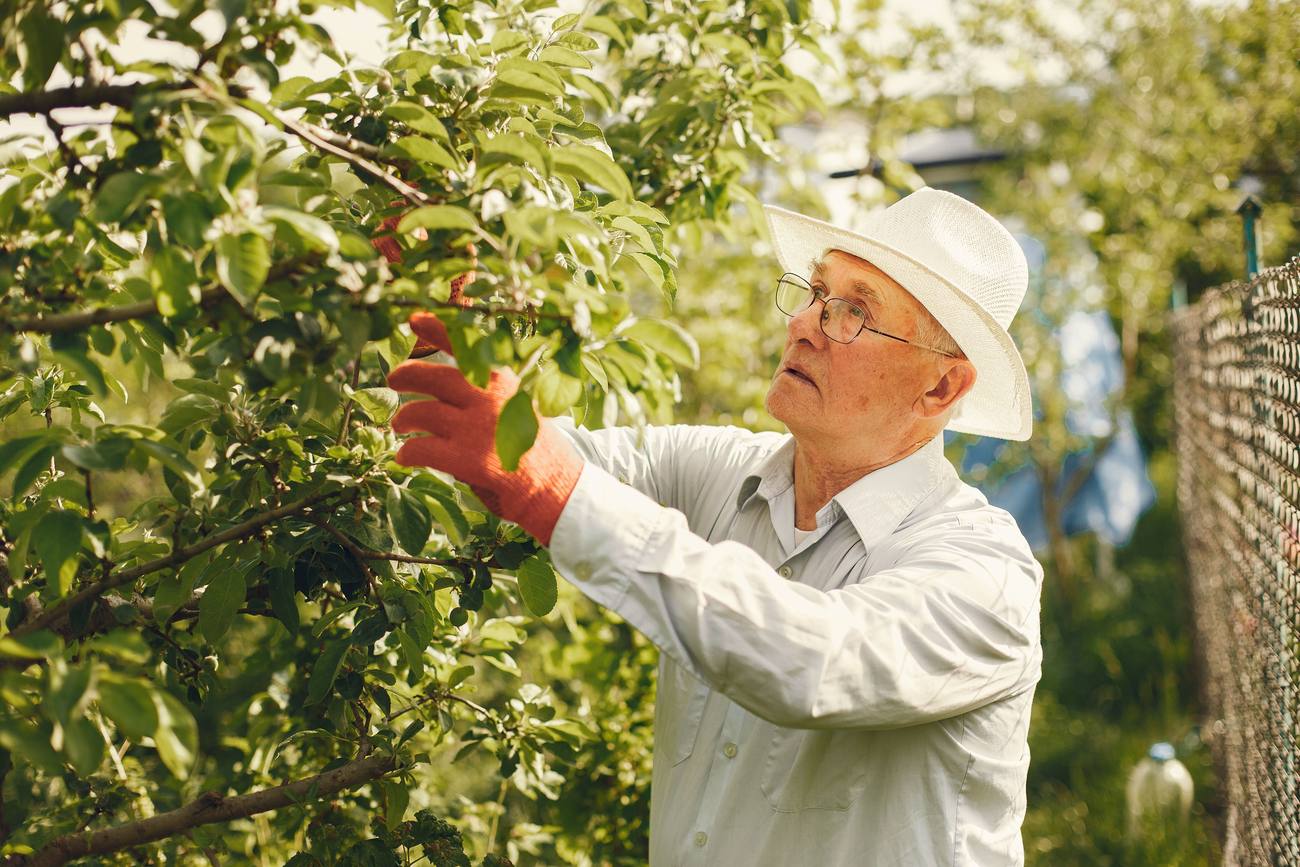
Apples, plums and damsons: when to prune

Shropshire is fruit country, with damsons as a local speciality. Pruning at the wrong time costs the crop, and for stone fruit it can let disease in.

J
F
M
A
M
J
J
A
S
O
N
D
Apples and pearsWinter prune; summer prune for trained forms
Plums, damsons, cherriesSummer only, to avoid silver leaf
Currants and gooseberriesWinter, when dormant
Summer raspberriesAfter fruiting, cut out old canes
Autumn raspberriesCut to the ground in late winter
Winter pruningSummer pruning

A garden in a medieval town

Courtyards, walled gardens and narrow plots behind half-timbered houses ask for a different kind of gardening.

The historic centre is a conservation area with many listed buildings. Check before fixing anything to an old wall, and give the council six weeks' notice before work on a tree.

Gardens by the Severn

The river curls around the town and floods low gardens in wet winters. Plants from damp meadows and stream banks cope best.

  • Dogwood (Cornus)
  • Marsh marigold
  • Siberian iris
  • Astilbe
  • Hardy geranium
  • Purple loosestrife
  • Rodgersia
  • Ferns
  • Plan for wet wintersRaise the beds a little, and put tender plants in pots that can be moved.
  • After a floodClear the silt, let the ground dry out and wash anything you want to eat.
  • Choose plants that copePlants from damp meadows and stream banks survive wet roots better than most.

A garden for wildlife

A hedgehog gap at the foot of a fence

  • A hedgehog gapA 13 cm square hole at the foot of a fence lets hedgehogs travel between gardens.
  • Leave a cornerA pile of logs or leaves gives shelter to insects, toads and hedgehogs.
  • A shallow pondWith a ramp or a stone, so that anything that falls in can climb out.
  • A native hedgeHawthorn, hazel and field maple feed and shelter far more than a fence.

Where we work around Shrewsbury

On the street plates of the town and the villages around it.

Frequently asked questions

In the growing season, a lawn is cut every week or two and borders need weeding every few weeks. In winter, a visit every month or so is usually enough for tidying, pruning and clearing leaves.

In winter, from December to February, while it is dormant. Trained forms such as espaliers and cordons are also pruned in late summer.

Pruned in winter, they are open to silver leaf and bacterial canker. In summer, the sap is flowing, the cuts heal quickly and the spores are less active.

Cut at 25 to 30 millimetres with a sharp mower, preferably with a roller. The stripes come from the direction the blades are bent, which reflects light differently, not from cutting at different heights.

The historic centre is a conservation area. You must give the council six weeks' notice before most work on a tree, and a tree with a protection order needs consent. Ask Shropshire Council.

Plants from damp meadows and stream banks, such as dogwood, iris, astilbe and marsh marigold. Keep tender plants in pots, and wash anything you grow to eat after a flood.

Yes: Shrewsbury and the villages around it, including Bayston Hill, Baschurch, Bomere Heath and Church Stretton. Enter your postcode in the form to start.

Contact us

Thank you, your message has been sent.

A garden job in Shrewsbury?

Get a free quote, with no obligation.

Get my free quote